Behind every elite gymnastics routine is a series of strategic decisions.
Building a routine means balancing difficulty, composition requirements, connection value, execution risk, and an evolving Code of Points.
For coaches and athletes, turning those decisions into a competitive routine can take hours. Comparing options often means searching through the Code, checking requirements, and manually recalculating D scores again and again.
This tool was built to simplify that process.
Whether you're coaching a team of elite athletes, trying to understand your own routine, or learning how gymnastics scoring works, this tool helps you build routines, calculate scores, and explore new possibilities more efficiently.
What You Can Do
With this website, you can:
- Build and edit elite gymnastics routines on uneven bars, balance beam, and floor
- Automatically calculate difficulty scores
- Track composition requirements, dismount bonus, connection value, and beam series bonus
- View specifically what skills count towards the top 8 and see which skills are fulfilling the composition requirements (and whether there are backups)
- Instantly see how adding, removing, or replacing an element changes the overall routine
- Search for elements by value, category, or requirement
- Print routines for use in the gym
Helping Athletes Understand Their Own Routines
Athletes should understand their routines—not just perform them. Too often, routine construction feels like something that happens behind the scenes. Coaches make the decisions, athletes memorize the routine, and that's the end of the conversation. When athletes understand why a skill is there, what requirements it fulfills, or why one upgrade is more valuable than another, they can take a more active role in their own gymnastics. That understanding helps gymnasts become smarter competitors and gives them more ownership over their routines.
Making Elite Gymnastics More Accessible
Not every gym has an experienced elite coach.
For gyms with developing programs, the Code of Points can be intimidating. Our goal is to lower the barriers to elite gymnastics by making the rules easier to understand and elite routine construction more approachable, helping more coaches and athletes confidently navigate the sport.
We hope it helps:
- Developmental or college coaches who want to learn elite routine construction
- Level 10 athletes interested in moving to elite
- NCAA gymnasts returning to or beginning elite competition
- Countries with developing elite programs and limited coaching resources
The easier it is to understand the Code and smart routine construction, the more people can participate in elite gymnastics.
More Creativity, Fewer Cookie-Cutter Routines
One of the things that makes gymnastics so exciting is that there are countless ways to build a successful routine. But when comparing every possible skill and combination takes hours, it's easy to rely on familiar routines instead of exploring new ideas.
By making it easy to search, compare, and experiment with different elements and connections, we hope coaches and athletes discover more creative solutions and build routines that reflect each gymnast's unique strengths, not just the combinations everyone else is using.
Note: This website is intended as a tool to assist you. While we strive for accuracy, occasional errors may occur, particularly with unusual connections or edge cases. Please review and verify all routines manually before relying on them.
About Us
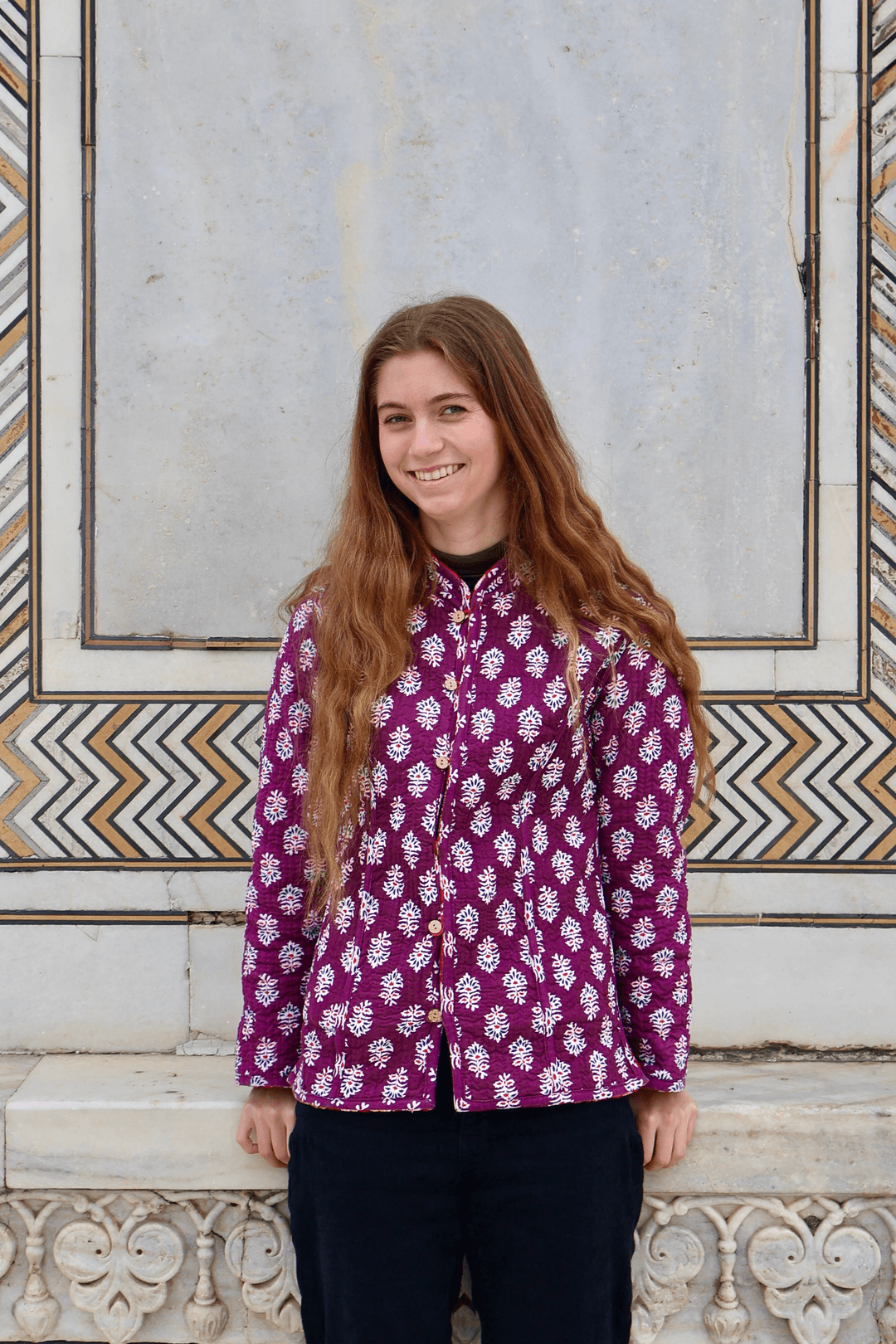
Sarah Firth
Sarah studied Quantitative Economics at Tufts University, where she conducted research on sports economics, including spatial analysis of gymnastics human capital in the U.S. and track and field analysis of peak performance throughout collegiate careers. She worked as an editorial sports writer at domestic elite competitions through the USA Gymnastics Creators Program in 2025 and 2026. A former gymnast, diver, and collegiate pole vaulter for the Tufts women's track and field team, she now coaches pole vault. Originally from Massachusetts, Sarah is currently studying Urban Planning at the Harvard Graduate School of Design.

Tanay Nistala
Tanay studied Computer Science at the Tufts University School of Engineering, and has developed machine learning models for applications in fields as varied as linguistics, meteorology, astronomy, and urban planning. Notably, he developed a vision model for swing and pose detection in tennis. An avid cyclist, hiker, and cartographer, he enjoys building visualization tools for complex data. Originally from Mumbai, Tanay currently works as a software engineer in New Jersey.